How to Start a Digital Marketing Agency: The Ultimate Guide
To start a digital marketing agency isn’t just about knowing social media or running ads; it’s about building a business that helps other businesses grow. Nowadays, brands are constantly looking for experts who can help them stand out, attract customers, and drive sales. If you’ve ever thought about using your marketing skills to create something of your own, this is your step-by-step guide to making it happen.
Understanding the Digital Marketing Agency
First things first, what exactly is a digital marketing agency? It’s a business that helps other companies promote themselves online. You handle everything from boosting their visibility on search engines to running ads and creating engaging content. In simple terms, you’re the expert who makes brands shine in the digital world.
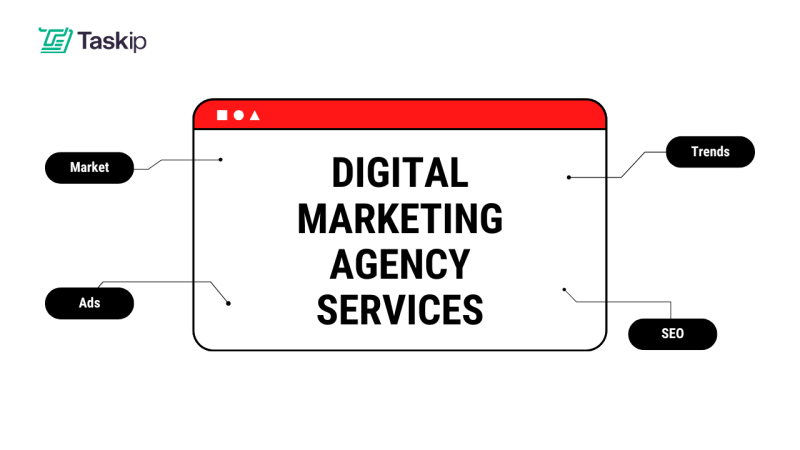
Digital marketing services cover a wide range of services. There’s SEO, which helps websites rank higher on Google. PPC involves paid ads on platforms like Google or Facebook. Social media management keeps brands active on Instagram, TikTok, and LinkedIn. Content marketing includes blogs, videos, and emails that draw in audiences. Other options might include email campaigns, web design, or influencer partnerships.
In 2026, trends are all about personalization and tech integration for successful agency growth. AI tools are making campaigns smarter, while short-form videos dominate social media. Challenges include keeping up with algorithm changes and data privacy rules, but opportunities abound in niches like e-commerce or sustainable brands. The key? Stay adaptable and focus on results that matter to clients.
Step 1: Define Your Niche and Core Services
Niching down means focusing on a particular area or industry where your digital marketing agency can shine brightly instead of spreading yourself too thin. This helps you stand out in a crowded market, attract clients who really need your expertise, and charge higher rates because you’re seen as a specialist.

For example, instead of offering generic digital marketing marketing services, you could zero in on helping e-commerce stores boost their online sales or assist local restaurants with social media buzz. The result? Faster growth, easier client wins, and less competition from big generalist digital marketing agencies.
Now, how do you choose the right niche? Start with a mix of research, your own passions, and spotting gaps in the market. First, think about what excites you. If you love fashion, maybe target clothing brands. Or if you’re a tech geek, go for software companies. Passion keeps you motivated during tough times.
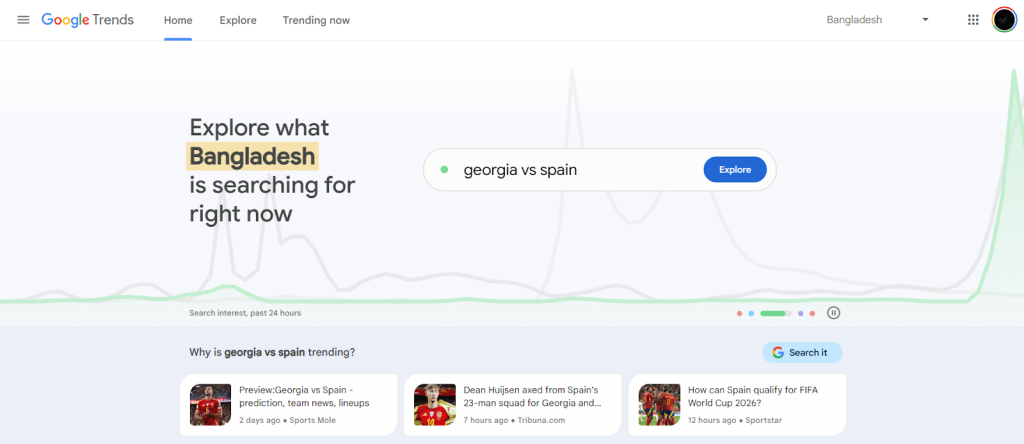
Next, do some homework. Use free tools like Google Trends or Reddit to see what’s hot in different industries. Check out competitor websites to find underserved areas, like sustainable brands needing eco-friendly digital marketing strategies.
Talk to potential clients through surveys or LinkedIn polls to understand their pain points. A great tip: Look for niches with growing demand but few experts, such as digital marketing agency for healthcare providers post-pandemic.
Once you’ve nailed your niche in social media marketing, it’s time to build your service menu. What can you offer to enhance your marketing business? Digital marketing agency covers a lot, but keep it focused. Common services include social media management, where you handle posts, ads, engagement, and search engine optimization.
SEO to help websites rank higher on search engines; content creation like blogs, videos, and emails; paid advertising on platforms like Google Ads or Facebook; email marketing campaigns; and analytics to track results. You could also add web design tweaks or influencer partnerships if they fit your niche.
When it comes to digital marketing agency models, you have options. A full-service digital marketing agency does it all, from strategy to execution, which is great if you have a team, but can be overwhelming solo. On the flip side, a specialized digital marketing agency focuses on one thing, like just PPC ads, making you the go-to expert.
For beginners, start by specializing to build credibility fast. Take HubSpot as an example; they started with inbound marketing and grew into a giant. Or think of a local digital marketing agency specializing in real estate marketing, offering virtual tours and targeted Facebook ads.
To make this step actionable, here’s a quick exercise: List three niches you’re interested in, research their market size using tools like SEMrush’s free trial, and brainstorm five services each. Remember, your niche isn’t set in stone; you can pivot as you learn. By defining this early, you’re setting a strong foundation that makes everything else easier for your digital marketing agency. Excited yet? Let’s move on to starting a digital marketing company!
Step 2: Develop Your Digital Marketing Agency From Scratch
Alright, now that you’ve got your niche sorted for your digital marketing agency, let’s dive into crafting a solid business plan and vision. This isn’t just paperwork; it’s your roadmap to success. Helping you stay focused and attract investors or partners if needed. A good plan turns your dream into a step-by-step reality, outlining where you want to go and how to get there.
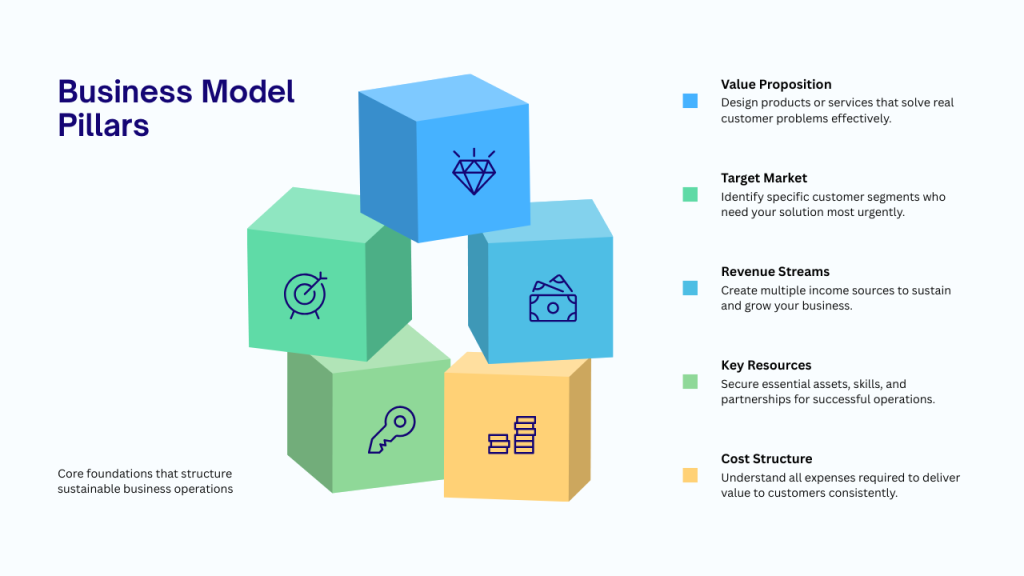
First, think about your digital marketing agency business model and how it can scale. Scaling means growing without burning out, like starting solo and eventually hiring freelancers. A popular model for digital agencies is retainer-based, where clients pay a monthly fee for ongoing services.
This gives a steady income compared to one-off projects. Another is performance-based, where you earn based on results, like a cut of sales from ads in your social media marketing efforts. To scale, automate repetitive tasks with tools like Zapier and build systems that let you handle more clients efficiently.
The essentials of a digital marketing agency business plan include your goals, target market, competitor analysis, pricing, and projections. Set SMART goals: Specific, Measurable, Achievable, Relevant, Time-bound. For instance, aim to land five clients in your first six months generating $10,000 monthly revenue.
Define your target market: Who are they? Small businesses in the fitness industry, perhaps, with budgets under $5,000 a month. Analyze competitors: Use tools like Ahrefs to see what they’re doing well and where you can improve, like offering faster turnaround times.
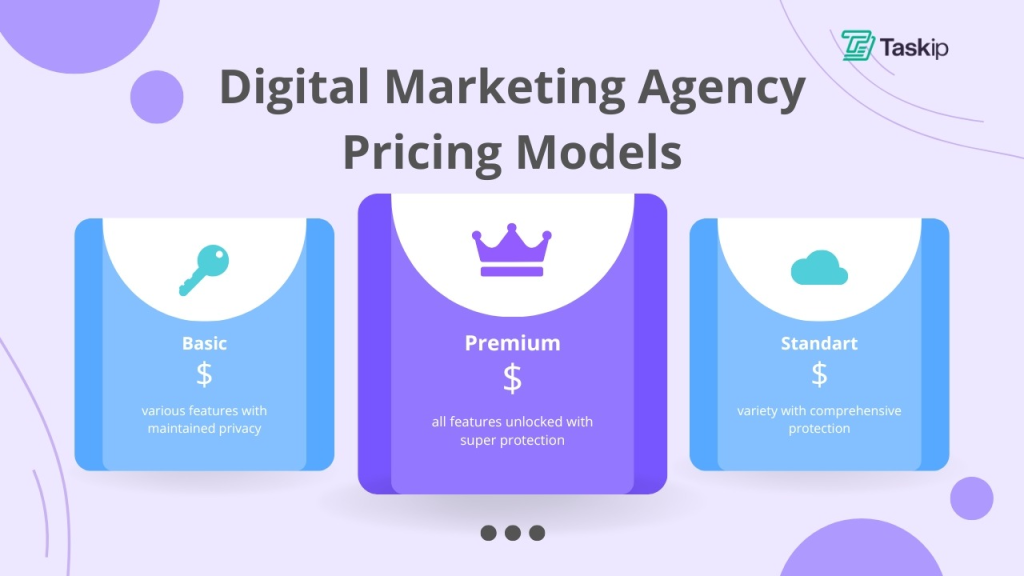
Pricing is key. Don’t undervalue yourself. Research industry rates, say $2,000-$5,000 monthly for mid-level services, and factor in your costs. Projections involve estimating income and expenses for the next year, using simple spreadsheets.
A tip: Be conservative; assume slower growth to avoid surprises.
Your unique selling proposition (USP) is what makes you different. Maybe it’s your data-driven approach with custom dashboards or your focus on ethical marketing. Craft it by asking: What problem do I solve better than others?
For example, if your niche is eco-brands, your USP could be “Sustainable marketing that grows your business without harming the planet.”
Here’s an example digital marketing agency business plan outline:
- Executive summary (quick overview),
- Company description (your vision and niche),
- Market analysis (targets and competitors),
- Organization structure (solo or team),
- Services offered,
- Marketing strategy (how you’ll get clients),
- Financial plan (budgets and forecasts),
- And appendix (resumes, contracts).
Remember, this plan evolves. Review it quarterly. By investing time here, you’re not just planning; you’re building confidence. Think of it as your agency’s GPS, guiding you through twists and turns. Ready to make it legal? On to the next step!
Step 3: Legal, Financial, and Administrative Set-Up
Okay, this step might feel a bit dry, but trust me, getting your legal and financial ducks in a row early saves headaches later. It’s like building a sturdy house foundation before adding the fun stuff. Let’s break it down simply.
Start with choosing your business structure. Options include sole proprietorship, which is easy and cheap but offers no personal liability protection; LLC, which shields your personal assets from business debts and is popular for agencies; or corporation if you’re planning big growth.
For most starters, an LLC is ideal because it’s flexible and tax-friendly. Check your state’s requirements; in the US, you can file online via sites like LegalZoom for under $100. A tip: Consult a free small business advisor from the SBA to decide.
Next, register your business. This involves getting a business name (make sure it’s unique via a state search), filing paperwork, and obtaining an EIN (like a social security number for your business) from the IRS for free to start an agency.
Don’t forget taxes: Set up sales tax if applicable, and plan for quarterly estimates if self-employed. Compliance means following laws like data privacy (GDPR if serving Europe) and anti-spam rules for emails. Use tools like TurboTax for beginners to stay on track.
Budgeting for startup costs is crucial. Expect $1,000-$5,000 initially. Break it down: Tools and software like Canva ($13/month), Google Workspace ($6/user/month), or SEO tools like Ahrefs ($99/month) are essential for starting a digital agency.
Marketing might cost $500 for a basic website and ads. If hiring, freelancers start at $20/hour on Upwork. Other expenses: Domain name ($10/year), business cards ($50), and insurance ($500/year for liability). Track everything with free apps like QuickBooks Self-Employed.
Tip: Cut costs by using free trials, bootstrap without loans, and set aside 30% of income for taxes. Create a simple budget spreadsheet: Columns for categories, estimated costs, actual spends, and notes to help manage your new agency finances.

Administrative setup includes opening a business bank account to separate finances (Chase offers free ones for small biz) and getting basic insurance. Organize files digitally with Google Drive. This step builds professionalism and peace of mind. Once done, you’ll feel like a real boss running a successful agency. Hang in there; the creative parts are coming!
Step 4: Building Your Brand and Online Presence
Woo-hoo, now we’re getting to the exciting part: Building your brand! This is where your digital marketing agency starts to look and feel real. Your brand is like your personality; it attracts the right clients and sets you apart.
First, name your digital marketing agency. Pick something memorable, easy to spell, and relevant for your digital marketing firm. Brainstorm words from your niche, like “EcoBoost Marketing” for sustainable brands. Check availability on domain registrars like GoDaddy and social handles.
Avoid generic names; aim for unique. Then, design your visual identity: Logo, colors, fonts. Use free tools like Canva or hire a freelancer on Fiverr for $50-$200. Keep it simple: Blue for trust, green for growth. Creating a website is non-negotiable. It’s your digital storefront.
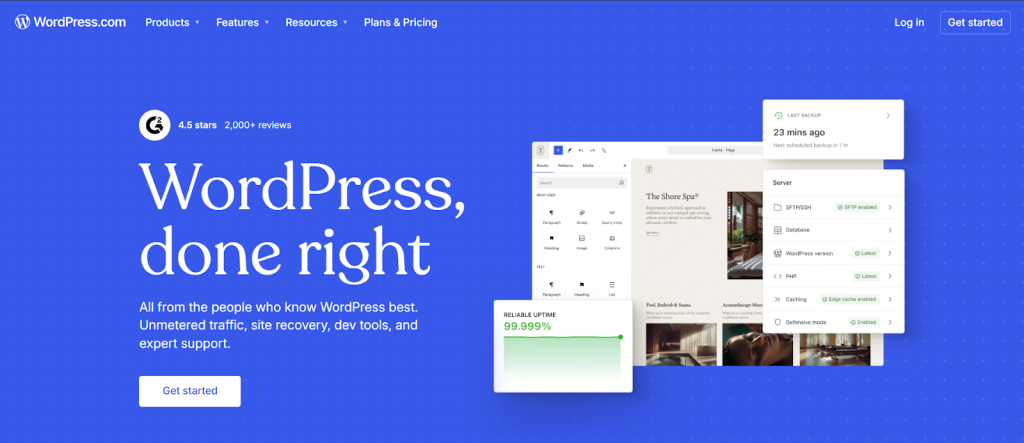
Use builders like Wix or WordPress (free themes available). Essential pages: Home (welcome and USP), Services (detailed offerings with pricing tiers), About (your story and team), Portfolio (showcase work), Blog (for SEO and tips), Contact (form and details). Make it mobile-friendly and fast-loading. A tip: Include calls-to-action like “Book a Free Consultation” on every page.
Social media setup is next. Choose platforms where your clients hang out: LinkedIn for B2B, Instagram for creative niches. Create profiles with consistent bios, profile pics (your logo), and headers. Post regularly:
Tips: behind-the-scenes, client wins. Use tools like Buffer to schedule. Brand consistency means using the same colors, tone (friendly and expert), and messaging everywhere.
For example, a fitness digital marketing agency might name itself “FitFlow Media,” with an energetic logo in orange and black. Their website has a services page listing “Instagram Growth Packages” with case studies, and they post daily workout marketing tips on LinkedIn.
Tips for beginners: Start with three platforms max to avoid overwhelm. Optimize for SEO by adding keywords like “digital marketing for gyms” in your site. Track analytics with Google Analytics (free). Engage with audiences by replying to comments promptly. This builds trust and leads.
Remember, your online presence is often the first impression. Make it count by being authentic. Share your journey; people love underdog stories. With this in place, you’re ready to show off your skills. Let’s talk portfolios next!
Step 5: Create a High-Impact Portfolio
Your portfolio is your secret weapon, friend. It’s proof of your skills and results, convincing clients you’re the real deal. Even without paid work, you can build a successful digital marketing agency that wows. Let’s explore why it matters and how to make it shine.
Why is a portfolio important? Clients want evidence, not just promises. It showcases your expertise, builds credibility, and helps close deals faster. A strong one can turn “maybe” into “yes” by highlighting past successes, like increased traffic or sales.
Building from scratch? Start with case studies: Pick projects, even personal ones. For each, include the challenge (e.g., low engagement), your strategy (targeted ads), results (50% growth), and visuals (screenshots). If no real clients, create mock campaigns. For instance, run a fake ad for a coffee shop and track hypothetical metrics. Add testimonials: Ask friends or beta clients for reviews.
Tips for early-stage: Use free platforms like Behance or your website to host it. Structure it: Categorize by service (SEO, social), use high-quality images, and quantify results (e.g., “Boosted leads by 200%”).
Keep it updated; aim for 5-10 pieces initially. A example: John’s portfolio started with three mocks: A social campaign for a bakery (with before/after stats), an SEO audit for a blog, and email templates. He added real ones as he grew.
Make it client-focused: Tailor sections to your niche, like “E-commerce Wins” with ROI data. Use storytelling: “Here’s how we turned a struggling store into a sales machine.” Include process breakdowns to show your thinking.
By investing here, you’re not just listing services; you’re proving value. Think of it as your digital marketing agency resume. With a killer portfolio, clients will come knocking. Time to find them!
Step 6: Lead Generation and Acquiring Your First Clients
Now that you’ve got your foundation set up, it’s time to dive into the exciting part: finding those first clients who will pay for your passion for marketing services in your digital marketing agency. Lead generation is all about putting yourself out there and attracting people who need your help.
Think of it as planting seeds that grow into paying relationships. We’ll break this down into prospecting strategies, using online platforms, and nailing your pitch to close the deal. The goal here is to build momentum without feeling overwhelmed, so let’s get into it step by step.
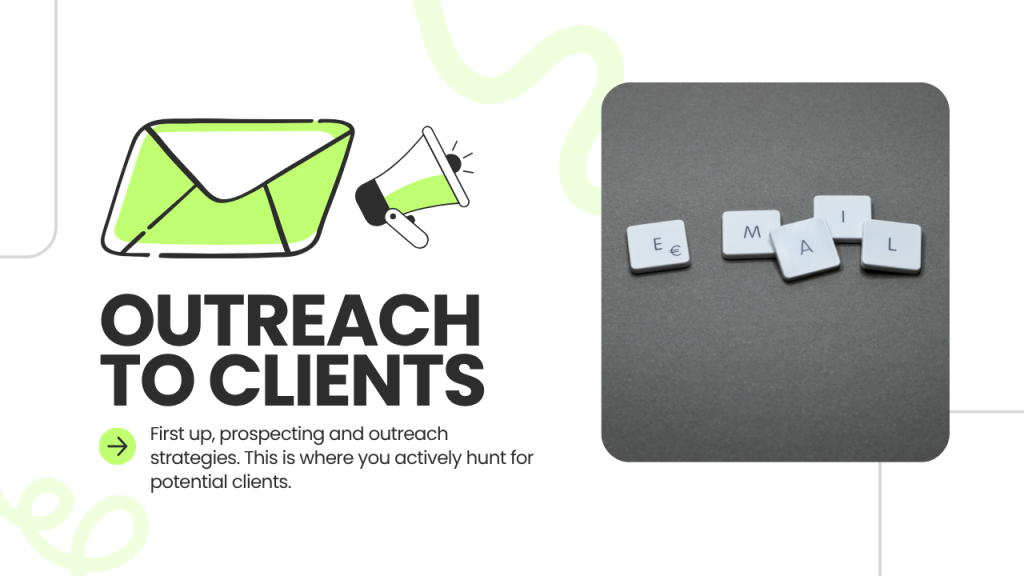
First up, prospecting and outreach strategies. This is where you actively hunt for potential clients. Cold emailing is a classic move, but do it right to avoid the spam folder. Start by researching businesses that could benefit from your services, like local shops struggling with online visibility or e-commerce sites needing better social media engagement.
Use tools like Hunter.io or LinkedIn to find email addresses for your digital marketing firm. Craft a short, personalized email: introduce yourself, mention something specific about their business (like “I noticed your Instagram posts aren’t getting much traction”), explain how you can help, and end with a clear call to action, such as booking a quick call.
Aim for 50 emails a week to start, and track responses in a simple spreadsheet. Networking is another gem; attend local business meetups, webinars, or industry conferences to connect with other new agencies. Share your story casually, like “I’m helping small brands boost their online presence what challenges are you facing?”
Referrals are gold because they come with built-in trust. Ask satisfied contacts or even friends to introduce you to others who might need to start a digital marketing company.
For example, after helping a friend’s business with a free audit, politely request, “If you know anyone else who might need this, I’d love an intro.” A tip: always follow up warmly, maybe with a thank-you note or a helpful article.
Next, leveraging marketplaces and platforms. These are like ready-made hunting grounds where clients want to start a digital agency and are already looking for help. LinkedIn is perfect for professional networking; optimize your profile with a clear headline like “Digital Marketing Agency Expert Helping Small Businesses Grow Online,” and post valuable content daily, such as tips on SEO or case studies.
Engage in groups or comment on posts to get noticed. Upwork and Fiverr are freelance hubs where you can bid on jobs. Create gigs for specific services, like “I’ll run your Facebook ads for better ROI,” with detailed descriptions, samples, and competitive pricing starting low to build reviews.
For instance, on Upwork, respond to proposals quickly with tailored responses showing you’ve read the job post and want to work with clients effectively.
A pro tip: focus on niches you’re strong in to stand out, and use client testimonials to build credibility fast. Don’t forget to check platforms like Clutch or Bark for digital marketing agency-specific leads.
Finally, effective pitching and closing sales. Once you have a lead, your pitch is your chance to shine. Prepare a simple deck or script highlighting the problem they face, your solution, and proof like past results.

During a call, listen more than you talk ask questions like “What’s your biggest marketing headache right now?” to tailor your offer. To close, use gentle urgency, such as “If we start this month, we can catch the holiday rush and work with clients effectively.”
Handle objections confidently; if they say it’s too expensive, offer a starter package or payment plans. Practice with a friend to build confidence. Remember, rejection is normal aim for a 20% close rate at first and learn from each no.
By mixing these approaches, you’ll need to focus on marketing channels to land your first clients sooner than you think. Stay consistent, track what works, and adjust. You’ve got this it’s all about value and persistence.
Step 7: Workflows, Tools, and Processes
Alright, you’ve snagged some clients, now let’s make sure you can deliver without burning out. Setting up solid workflows, tools, and processes is like building the engine of your digital marketing agency. It keeps everything running smoothly, saves time, and lets you focus on growth.
We’ll cover project management tools, reporting and communication setups, and tips for strategic planning, automation, and scaling. The key is starting simple and building as you go, so you don’t get bogged down in complexity right away.
Project management tools and frameworks are your best buddies here. Think of them as digital organizers for tasks, deadlines, and team collaboration. Tools like Taskip is great all-in-one solution they’re free to start and use boards or lists to track projects with amazing features to manage your project effectively.
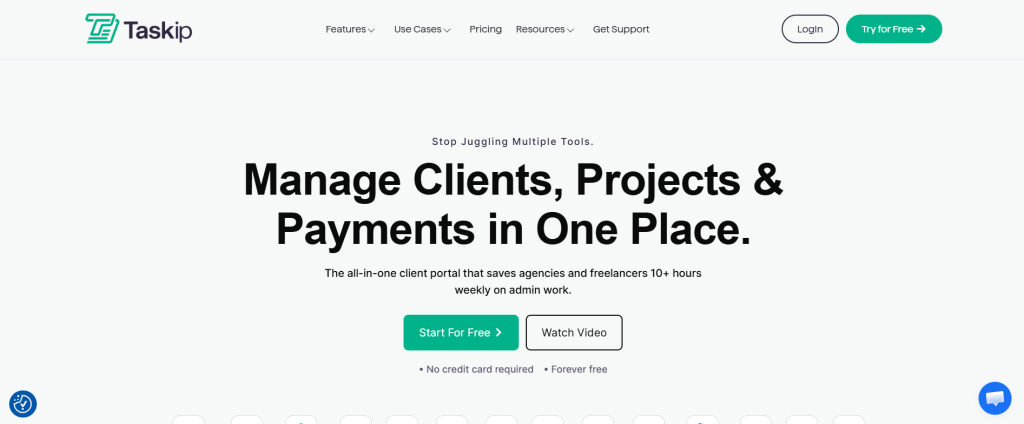
For example, create a board for each client with columns like “Planning,” “Execution,” “Review,” and “Done.” Assign tasks, set due dates, and add checklists for things like content creation or ad launches. If you’re solo, this helps you stay on top; as you grow, it makes handing off work easy.
For frameworks, adopt something like Agile, which breaks work into short sprints (say, two weeks) with daily check-ins. This way, you can adapt quickly to client feedback. Another tip: use templates for common projects, like a social media campaign template with pre-filled steps, to speed things up.Now, setting up reporting, analytics, and communication channels.
Clients love seeing results, so make reporting a breeze. Use Google Analytics for website traffic insights, and tools like Google Data Studio (now Looker Studio) to create visual dashboards showing metrics like ROI or engagement rates.
Step 8: Delivering Services and Retaining Clients
Great job getting to this point! Delivering services isn’t just about doing the work; it’s about creating wow moments that keep clients coming back. Retention is cheaper than finding new clients, so let’s focus on onboarding, setting clear expectations, and strategies to build lasting bonds in your successful digital marketing agency. We’ll make this practical with tips and examples to help you shine.
Client onboarding processes set the tone right from the start. Think of it as a warm welcome that builds trust. Begin with a kickoff call to discuss goals, timelines, and roles. Send a welcome packet via email with your digital marketing agency overview, contact info, and a simple questionnaire like “What are your top three priorities?”
Use tools like Dubsado or HoneyBook for automated onboarding workflows they handle contracts, payments, and forms in one place. Follow up with a shared project board in Asana to outline the first steps.
A tip: personalize it; if they’re a bakery, reference how you’ll boost their online orders. Aim to complete onboarding in the first week to keep momentum high. An example: one digital marketing agency sends a branded video walkthrough of the process, which clients love for its personal touch.
Setting expectations, contracts, and deliverables is key to avoiding drama. Be crystal clear from day one. In your contract, outline services, timelines, payment terms, and what happens if things change.
Use simple language no legal jargon. For deliverables, list specifics like “Weekly social media posts with analytics report” instead of vague promises. Discuss revisions upfront, say three rounds included.
During the kickoff, align on success metrics, like “We’ll aim for 20% traffic growth in three months.” If issues arise, communicate early. A helpful example: include a clause for pauses if the client delays providing content, protecting your time. Tools like PandaDoc make signing contracts easy and trackable.
Retention strategies, upselling, and nurturing long-term partnerships turn one-time gigs into ongoing revenue. Start with regular check-ins, like bi-weekly updates, to show progress and gather feedback.
Surprise them with extras, such as a free audit of a new channel. For upselling, spot opportunities naturally; if SEO is working well, suggest adding content marketing. Use data to back it up: “Based on your results, this could add 15% more leads.” Nurture with value adds, like sharing industry tips via a monthly newsletter.
Build personal connections by celebrating their wins or sending holiday cards to strengthen your network as a marketer. To retain, focus on results and relationships; if a client is happy, ask for referrals. An exampleOffer tiered packages where loyal clients get discounts on add-ons, encouraging upgrades in your successful digital marketing agency. Watch for red flags like late payments and address them kindly.
By mastering delivery and retention, you’ll create raving fans who stick around. It’s all about over-delivering and listening. Track client satisfaction with quick surveys, and adjust your strategies as needed for your marketing business. You’re building a business that lasts keep it human and helpful.
Step 9: Scaling Your Digital Marketing Agency for Growth
You’re rolling now, with clients and processes in place time to think bigger! Scaling means growing without chaos, turning your solo act into a thriving team. We’ll talk about when and how to hire, building teams and culture, and expanding services and reach. This step is exciting but requires planning, so let’s break it down with real tips to make it doable.
When and how to hire employees, contractors, or partners is a big decision. Don’t rush; hire when you’re consistently overwhelmed or turning away work. Signs include working 60+ hours a week or missing deadlines. Start small with contractors for flexibility they’re freelancers you pay per project, no full-time commitment.
Use sites like Upwork to find a social media specialist for overflow. For employees, hire when revenue supports salaries aim for hires to bring in at least three times their cost.
Post jobs on Indeed or LinkedIn with clear descriptions, like “Content Creator with SEO skills.” Interview for fit: ask about past projects and values. Partners can be co-owners or affiliates for shared growth, but vet them carefully with agreements.
A tip: use a trial period, say 30 days, to test the waters. Example: a digital marketing agency hired a virtual assistant first to handle admin, freeing the owner for sales, which doubled clients in six months.
Building effective teams and digital marketing agency culture keeps everyone motivated. Start with clear roles and regular meetings, like weekly team huddles to align on goals. Foster culture through values like “Client-first innovation” and fun elements, such as virtual team-building games.
Use tools like Slack for daily chats and Notion for knowledge sharing. Encourage feedback with anonymous surveys. To build effectiveness, provide training like online courses on Udemy. Delegates wisely start with low-risk tasks and build trust.
An example: create a buddy system where new hires shadow veterans, speeding up onboarding. Culture tip: celebrate wins, big or small, with shoutouts or bonuses to boost morale.
Expanding your service offerings and global reach opens new doors. Add services based on demand; if clients ask for email marketing often, bundle it in. Test with existing clients first for feedback.
For global reach, optimize your website for international SEO and use LinkedIn to connect worldwide. Partner with local experts in other countries for time zone coverage. Diversify by offering packages like “Starter SEO” to “Full Digital Suite.”
A scalability tipAutomate where possible, like using AI tools for content ideas in your marketing business. Example: one digital marketing agency expanded to video marketing after seeing trends, targeting international e-commerce, which grew revenue by 40%.
Scaling is about smart growth, not just bigger. Monitor finances with tools like QuickBooks, and set milestones like “Hit $10K monthly before hiring.” Stay patient; it takes time, but with these steps, you’ll build a powerhouse digital marketing agency.
Step 10: Future-Proofing Your Digital Marketing Agency
Congrats on making it this far you’re almost a pro! Future-proofing means preparing your digital marketing agency to thrive no matter what changes come, like new tech or market shifts, which is essential for starting a digital agency. We’ll cover staying ahead of trends, ongoing learning, and diversifying income. This keeps your business resilient and exciting. Let’s dive in with practical advice to keep you sharp.
Keeping up with industry changes, trends, and algorithm updates is essential in digital marketing agency, where things evolve fast. Follow reliable sources like Google’s blog for SEO updates or Social Media Today for platform news.
Set aside time weekly, say Friday mornings, to read and note key changes. Join communities like Reddit’s r/digital_marketing for real-time discussions. For algorithms, test small: if Facebook tweaks its feed, run A/B tests on posts.
A tip: use tools like Ahrefs for trend tracking or Google Alerts for keywords like “SEO updates.” Example: when TikTok’s algorithm favored short videos, agencies that adapted quickly gained clients in video marketing.
Continuing learning, certifications, and professional networks fuel your growth. Never stop learning take free courses on Coursera or HubSpot Academy for inbound marketing certs. Get Google Analytics or Facebook Blueprint certifications to boost credibility for your digital marketing firm.
Networks are gold. Join groups like Digital Marketing Agency Association or local meetups. Attend conferences like MozCon virtually if budgets are tight. A mentorship tip: find a seasoned pro on LinkedIn for advice swaps. Example: earning a Google Ads cert helped one owner land bigger clients by proving expertise.
Diversifying revenue streams and innovating service packages reduces risk. Don’t rely on one service; add consulting, courses, or affiliate partnerships. Create passive income like an online course on “DIY SEO for Small Businesses.”
Innovate by bundling, such as “AI-Powered Content Packages” using tools like ChatGPT. Test new ideas with beta clients for feedback. A diversification example: a digital marketing agency added white-label services, reselling to other agencies, which stabilized income during slow seasons.
Future-proofing is about adaptability and curiosity. Review your digital marketing agency quarterly: what’s working, what’s not? Invest in yourself; it pays off. With these habits, your digital marketing agency will not just survive but lead the pack.
FAQ About How to Start a Digital Marketing Agency
What are the essential first steps to starting a digital marketing agency in 2025?
Start by choosing a niche and defining your target audience for your digital marketing agency, then build your brand with a website and portfolio to showcase your skills. Register your business legally and prepare to find your first clients.
How do I choose the right niche and services for my digital marketing agency?
Focus on industries or business types you understand or are passionate about, and offer digital marketing agency services that solve specific problems for those clients. A clear niche helps you stand out and attract loyal customers.
What legal and financial setup is required to register a digital marketing agency?
You need to register your digital marketing agency business name, choose a business structure (like sole proprietorship or LLC), and handle taxes and permits based on your location. Setting up a professional bank account and accounting system is important, too.
How can I attract and acquire my first clients with no prior experience?
Leverage your personal network, offer free or discounted trials, and use online platforms like LinkedIn or Fiverr to build credibility. Show results through case studies or sample projects to gain trust.
What tools and software should I use to run and scale my digital marketing agency efficiently?
Start with tools for project management, social media scheduling, analytics, and client communication, like Taskip, Google Analytics, etc. Automating routine tasks saves time as your digital marketing agency grows.

Get Summary On: