How to Write a Digital Marketing Agency Business Plan- Practical Breakdown
Maybe you’ve already started offering services informally, or maybe you’re just now preparing to enter the field. Either way, at some point you realize something important: you need a real plan. A proper roadmap. Something structured, thoughtful, and strategic that guides your business toward long-term sustainability,not just quick wins, That’s exactly where a digital marketing agency business plan comes in.
And not the generic kind that uses fancy words but lacks practical direction. You need a plan that is clear, grounded in real-world marketing, and built around how the digital landscape actually works today. That plan will not only help you build your business with confidence; it will also help you impress clients, partners, and even investors if you go that route.
This is going to be a detailed blog, but that’s because the digital marketing agency business plan is not a small plan. It’s broad, ever-changing, and built on solid strategic thinking. And if you get the digital marketing agency business plan right, you set yourself apart from the thousands of agencies and freelancers who simply “wing it” as they go.
Why You Need a Digital Marketing Agency Business Plan (Even If You’re Already Working With Clients)

You might wonder: why bother about digital marketing agency business plan? Isn’t digital marketing flexible? Doesn’t everything change so quickly that planning too far ahead is pointless?
This is a common belief, and it’s understandable because, yes, digital marketing evolves constantly. New platforms show up, algorithms shift, paid media costs fluctuate, and trends move in new directions nearly every quarter. But here’s the truth: the businesses that grow, scale, and survive these changes are the ones that plan strategically.
A digital marketing agency business plan gives you clarity. It forces you to articulate what you do, why you do it, who you do it for, how you deliver value, and how your business will generate sustainable revenue. Without a plan, you end up shooting arrows in the dark. You start offering random services, chasing clients who are not the right fit, underpricing your work, and changing your brand direction every few months.
A digital marketing agency business plan saves you from that uncertainty. It becomes your compass in a crowded, competitive industry. It also helps you:
- Understand where the industry is going and how to position your services
- Spot gaps in the market you can capitalize on
- Build a unique identity that separates you from competitors
- Set pricing structures that are profitable,not desperate
- Define how you will attract clients sustainably
- Outline your sales funnel, your growth targets, your team structure, and your long-term vision
Think of your digital marketing agency business plan like the foundation of a building. Without a foundation, you can build something temporarily, but it won’t withstand pressure. With a strong foundation, you can expand upward and outward for years.
Now that’s out of the way, let’s move into the actual process of building a digital marketing agency business plan from scratch.
Understanding the Digital Marketing Industry Before You Write Your Plan
Before you can outline your business, you have to understand the environment you are entering. Digital marketing is massive, and it includes dozens of sub-industries. When someone says, “I want to start a digital marketing business,” that could mean ten completely different things. It could mean running ads for clients, or it could mean writing SEO content, designing websites, creating funnels, managing social media, consulting, building email sequences, editing videos, and the list goes on.
If you’re planning to enter this space,and especially if you are creating a multi-year digital marketing agency business plan, you need a strong grasp of the industry’s structure and trends.
1. Digital Marketing Is No Longer Just Advertising

A decade ago, digital marketing mostly meant running Facebook and Google ads. Today, it’s a massive ecosystem. Businesses don’t just want campaigns; they want holistic digital growth. That means agencies and service providers who offer integrated solutions,strategy, tracking, automation, content, analytics,are highly valuable.
So while writing your digital marketing agency business plan, think beyond single services. Think systems.
2. The Competition Is High, But So Is Demand

People often panic about how many digital marketers there are. Yes, there are many freelancers and agencies. But here’s the reality: the demand is still much higher than the supply of skilled providers. Most businesses struggle with marketing. Most agencies overpromise and underdeliver. Most freelancers burn out or disappear.
If you build a business that is reliable, strategic, and communicative, clients will always be available.
3. Niching Down Helps You Grow Faster

This is one of the most important parts of preparing your digital marketing agency business plan. You don’t have to serve everyone. In fact, the agencies with the fastest growth tend to choose a specific niche. You could specialize in:
- eCommerce marketing
- Real estate funnels
- Healthcare SEO
- SaaS paid media
- Restaurant social media
- Personal branding
- Coaching and consulting funnels
Choosing a niche makes everything easier later in the plan,your pricing, positioning, messaging, and marketing.
4. Clients Are Not Buying Services, They’re Buying Outcomes

When you write your plan, continually remind yourself: businesses don’t pay for social media posts. They pay for visibility, traffic, leads, and sales. They don’t pay for “SEO.” They pay for ranking, authority, and organic revenue. They don’t pay for ads; they pay for profitable ROAS.
This mindset shift is crucial. A digital marketing agency business plan should be built around outcomes, not services.
Step-by-Step: How to Write a Digital Marketing Agency Business Plan
Now let’s get into the actual structure. A strong digital marketing agency business plan contains several key components. In this guide, we’re going to go through each component in a natural, flowing way,almost like having a conversation with a mentor.

By the end, you will have a complete understanding of what to include and how to write each part.
We’ll cover:
- Your Executive Summary
- Your Business Overview and Mission
- The Services You Will Offer
- Your Target Audience and Ideal Client Profile
- Market and Competitor Analysis
- Your Unique Value Proposition
- Branding and Positioning Strategy
- Marketing and Lead Generation Approach
- Your Sales Funnel and Client Acquisition Process
- Your Delivery Workflow and Operations
- Team Structure and Scaling Plan
- Financial Planning, Pricing, and Revenue Forecasting
- Risk Assessment and Contingency Planning
- Tools, Technologies, and Tech Stack
- Long-Term Vision and Exit Strategy
Let’s go through all of them thoroughly.
1. Executive Summary: The Big Picture of Your Digital Marketing Agency Business Plan
Every digital marketing agency business plan begins with an executive summary, but don’t let the name intimidate you. Think of this as the “trailer” for your business. It explains who you are, what your business does, and what you are trying to achieve. It’s the section someone could read to understand the essence of your business in just a few minutes.
The executive summary should include:
- The name of your digital marketing business
- Your core service focus
- Your niche or target market
- What sets your business apart
- Your short-term and long-term goals
It’s like a snapshot, a high-level view. Even though it appears at the top of the digital marketing agency business plan, many people write it last because it’s easier once you’ve built everything else.
When writing this section, aim for clarity. Don’t drown it in jargon. Imagine you’re explaining your business to a smart but non-technical friend.
2. Business Overview and Mission: Why Your Digital Marketing Agency Business Exists
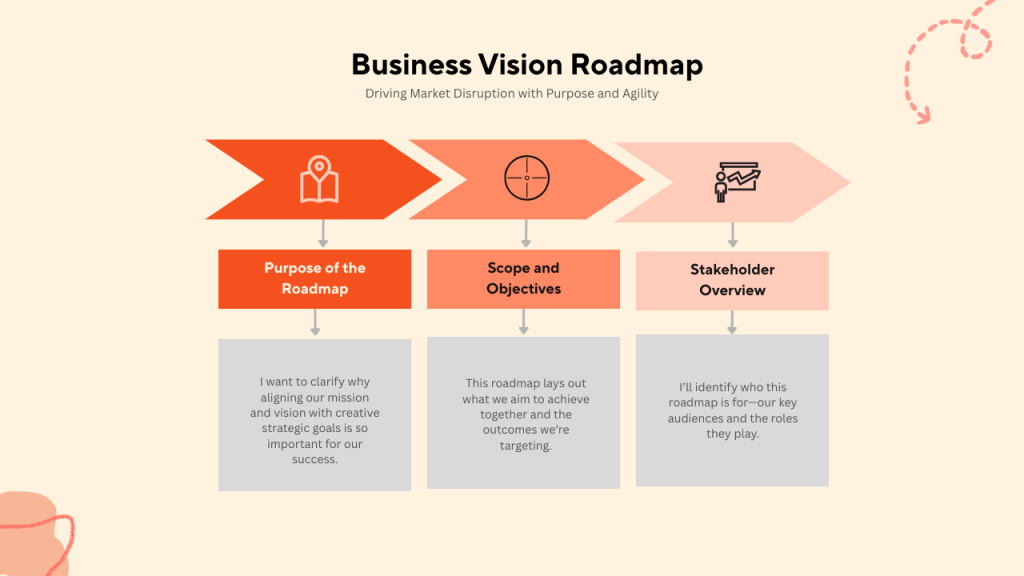
This part of the digital marketing agency business plan explains the identity of your business. Here, you’re not just listing facts; you’re telling a story. You are laying out the purpose, the origin, and the foundation of your brand.
Your business overview can cover:
- When and why you decided to start the company
- Your approach to digital marketing
- The values and principles your business stands for
- What kind of clients you want to help and why
- What kind of impact you want your business to have
Your mission statement should be a powerful, inspiring sentence or paragraph that captures the essence of your business. It should answer a simple question: what does your digital marketing business exist to accomplish?
Think beyond profit. Think about helping businesses grow. Think about educating clients. Think about building sustainable brands online.
This section shapes the soul of your digital marketing agency business plan.
3. Services: Clearly Defining What You Will Offer
Digital marketing is a broad field. Without defining your services clearly, clients will become confused, and so will you. A proper digital marketing agency business plan lays out your service offerings in detail. It also defines how these services help clients achieve results.
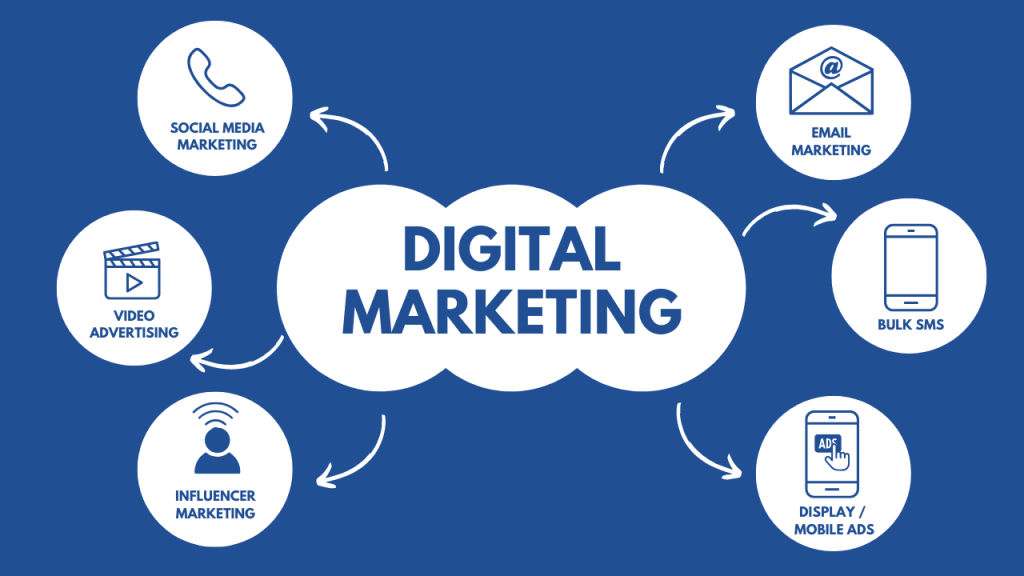
Instead of listing services as random items (like SEO, SMM, PPC), think about packaging them into categories or solutions.
For example, your services might include:
- Digital Marketing Strategy Development – Helping clients build a roadmap
- Search Engine Optimization and Content Marketing – Long-term organic visibility
- Paid Advertising (Google, Meta, TikTok) – Fast growth and lead generation
- Social Media Management – Engagement, content, brand building
- Email Marketing and Automation – Lead nurturing and conversion
- Web Design and Conversion Optimization – Improving customer experience
- Analytics, Reporting, and Data Insights – Tracking what works and what doesn’t
But the key here is not just listing services. You must explain how each one fits into your overall business model. How do they complement each other? Do you plan to offer full-service marketing or specialized services? Are you building packages, retainers, or project-based pricing?
A digital marketing agency business plan with a clear service structure operates more smoothly and looks more professional.
4. Target Audience and Ideal Client: Who You Want to Serve
A digital marketing agency business plan without a clear audience is like a ship without a destination. You cannot be everything to everyone. That is what most struggling agencies attempt. Instead, you need to define your ideal client clearly and deeply.
Your target audience section should address:
- The industries you will serve
- The size of businesses you will work with (startups, SMEs, enterprises)
- The type of decision-makers you will interact with (founders, CMOs, marketing managers)
- The pain points they experience
- What they need help with
- How your digital marketing agency business plan will solve those problems
This helps you tailor your messaging, your pricing, your services, and your overall business direction.
Many digital marketing agency business plans also include an Ideal Client Profile (ICP), which is a detailed description of your perfect client. It helps you avoid clients who drain your time and energy, and it helps you attract clients who value your expertise and pay on time.
Your target audience is the anchor of your entire business.
5. Market and Competitor Analysis: Understanding Where Your Business Fits
A strong digital marketing agency business plan includes a deep understanding of competitors and the market landscape. You must analyze:
- Who your competitors are
- What services they offer
- What pricing structures they use
- What strengths and weaknesses they have
- Where the market demand is rising
- Where clients feel underserved
- What gaps you can fill
Don’t just write generic statements. Go into depth. Study real competitors. Look at their websites, their ads, their client reviews. Figure out what makes them good and what they fail to deliver.
This section helps you find opportunities in the market. It also gives you insight into how you can build a better business.
Many digital marketing entrepreneurs skip this step because they feel “there are too many competitors.” But if you look carefully, you will notice something: most competitors lack specialization, consistency, or reliability. If you can nail those areas, you win.
6. Unique Value Proposition: What Makes Your Digital Marketing Agency Business Plan Different
Now comes the heart of your digital marketing agency business plan, your unique value proposition (UVP). This is not a slogan and not a generic statement like “we offer high-quality marketing.” Everyone says that. Your UVP must explain:
- What you do differently
- Why your approach works
- Why clients should choose you
- What value you deliver that others lack
This could be related to your niche, your methodology, your customer service, your pricing model, your technology stack, or your strategic approach.
For example, your UVP might highlight:
- A niche specialization (e.g., “We help medical clinics grow with SEO-driven patient acquisition.”)
- A data-driven approach with proprietary analytics
- Faster turnaround times
- Exceptional communication standards
- Unique expertise from previous experience
- Strong creative skills
- Proven results in a specific industry
This section should be powerful. It should make readers feel that your business stands out in a meaningful and authentic way.
7. Branding and Positioning: Building a Recognizable Identity

Digital marketing agency businesses often overlook branding for themselves. They help other businesses with branding but forget to build their own. Your digital marketing agency business plan should include a branding strategy that covers:
- Your brand personality (friendly, professional, bold, creative, analytical)
- Your brand story
- The tone of your communication
- Your visual identity (colors, typography, logo)
- How you want clients to perceive your business
- Your positioning in the market (“premium,” “affordable,” “specialized,” etc.)
Branding is not just about visuals. It’s about the experience you create for your clients. It’s how your business feels,how people talk about it, what they expect from you, and what they remember after interacting with you.
A strong brand allows you to charge higher prices, attract better clients, and scale faster.
8. Marketing and Lead Generation: How You Will Get Clients

A huge part of your digital marketing agency business plan should explain how you will get clients. Many new digital marketing entrepreneurs think they will rely on referrals or freelance platforms, but that limits growth. You need a clear client acquisition strategy.
Your marketing plan can include:
- Content marketing (blogs, video content, LinkedIn posts)
- SEO to attract inbound leads
- Social media marketing for brand building
- Email marketing and nurturing sequences
- Webinars or live workshops to demonstrate expertise
- Paid ads for agency visibility
- Cold outreach (email, DM, or LinkedIn)
- Partnerships with complementary businesses
But here’s the key: you must choose a strategy that fits your strengths, resources, and business model. If you’re great at content, build around content. If you’re great at sales, build around outreach. If you prefer data-driven growth, invest in ads.
This section should be highly detailed and well thought out. It’s one of the most important parts of the digital marketing agency business plan.
9. Sales Funnel and Client Acquisition Process

Getting leads is just the first step. You also need a process to convert them into paying clients. Your digital marketing agency business plan should lay out your client acquisition funnel. This includes:
- How clients discover your business
- How you nurture them
- How you build trust
- How you present proposals
- How you close deals
- How onboarding works
A predictable sales funnel ensures consistent growth. Without one, your agency will always feel unstable.
Great agencies have clear processes. They don’t just wait for clients to say “yes.” They guide prospects through a structured journey that builds confidence every step of the way.
10. Delivery Workflow and Operations: How You Will Provide Your Services
Once you get clients, how will you deliver the work? You need a system, a workflow that is efficient, repeatable, and scalable. This part of your digital marketing agency business plan outlines:
- How you onboard clients
- What tools you use for project management
- How you deliver services
- How you communicate updates
- How you track campaigns and results
- What reporting structure you use
- How you ensure quality control
This section is important because digital marketing involves many moving parts. Without a clear workflow, you risk miscommunication, delays, burnout, and chaos.
A solid operational plan also helps you scale. If you later hire team members, they can easily understand how things work.
11. Team Structure and Scaling Plan
Every successful digital marketing business eventually needs a team. Even if you start alone, you will not want to stay alone forever. This section of your plan describes:

- What roles you need now
- What roles you will need later
- How you plan to hire
- How you will delegate work
- How you will structure your team
- How you will maintain culture and communication
You might start with freelancers for content, ads, and design. Later, you may want full-time employees, account managers, project managers, or creative directors. A business plan helps you visualize your scaling path before you get there.
12. Financial Planning and Revenue Forecasting
This may feel intimidating, but it’s crucial. Your business plan must include realistic financial projections. This means you calculate:

- Startup costs (website, branding, tools)
- Monthly operating expenses
- Revenue expectations
- Client acquisition goals
- Pricing strategies
- Profit margins
- Cash flow forecasts
Digital marketing businesses often have good profit margins because most work requires specialized knowledge, not physical products. But without planning, expenses like software subscriptions, ads, outsourcing, or taxes can eat your profits quickly. A strong financial plan keeps your business stable, predictable, and scalable.
Before locking in your pricing structure, review the six digital marketing agency pricing models to make sure you’re choosing the one that fits your business model and client type.
13. Risk Assessment and Contingency Plans
Every business has risks. Your digital marketing plan should identify them. These might include:
- Market saturation
- Algorithm changes
- Losing major clients
- Increasing ad costs
- New competitors
- Hiring challenges
- Software dependencies
But simply naming risks is not enough. You must outline how you will handle them. This shows preparedness and resilience.
14. Long-Term Vision and Exit Strategy
Finally, your plan should talk about the future. What will your business look like five years from now? Ten years? Will you expand into new industries? Launch digital products? Build a SaaS? Sell your agency? Hire a large team? Your long-term vision shapes your decisions today.
Recommended Tools and Technologies to Adapt
The “Tools and Technologies You Will Use” section of your digital marketing agency business plan should clearly show which platforms power your services, why you chose them, and how they help you deliver reliable, scalable results. Framing this as a strategic tech stack (rather than a random tool list) signals to investors and clients that your operations are efficient, data-driven, and built to grow.
Position this section in your plan
This section usually sits under your Operations or Service Delivery chapter and explains the marketing technology stack you’ll use across strategy, execution, reporting, and client management. Treat it as an operations blueprint: you are proving that you have the right infrastructure to plan, run, and optimize campaigns across channels without chaos or data silos.
You don’t have to list every single app; instead, break things down into logical categories (CRM, analytics, SEO, social, automation, etc.) and name 1–2 flagship tools you’ll rely on in each category. For each category, briefly connect the tool to a business outcome (lead volume, retention, margin, reporting speed) so the plan reads like a strategy, not a shopping list.
Clarify your tech stack strategy
Start by defining your “marketing tech stack” as the integrated set of tools you’ll use to plan, execute, and measure campaigns across channels. Make it clear that tool selection is driven by your agency’s services (SEO, paid ads, email, content, social) and target market (eCommerce, SaaS, local businesses, etc.).
In the plan, state three things up front:
- You prioritize tools that integrate well (to avoid manual data entry and reporting gaps).
- You favor platforms that can scale with client volume and channel expansion.
- You regularly audit and refine your stack to remove redundancy and control costs.
Core categories and example tools
1. CRM and marketing automation
This is where leads, deals, and client communication live, and it underpins your ability to run campaigns and attribute revenue. Many agencies lean on platforms like HubSpot, ActiveCampaign, or similar “all‑in‑one” marketing CRMs to manage contacts, email journeys, forms, and basic reporting.
In your business plan, describe how your CRM will:
- Capture and segment leads from forms, ads, and landing pages.
- Trigger automated nurture sequences and sales follow‑ups.
- Sync with analytics and reporting tools to show ROI per channel or campaign.
2. Analytics, tracking, and reporting
Explain how you’ll measure performance and prove value to clients, which is a critical trust factor for any agency. Tools like Google Analytics 4, Google Tag Manager, and platforms such as AgencyAnalytics or similar reporting dashboards are common in agency stacks.
Outline how you plan to:
- Use GA4 and Tag Manager for event tracking, conversion paths, and attribution.
- Centralize channel data (SEO, ads, email, social) in a unified reporting tool.
- Automate client‑ready dashboards and recurring reports to reduce manual work.
3. SEO and content optimization tools
If SEO or content marketing is part of your offer, specify how you’ll handle keyword research, site audits, and on‑page optimization. Popular examples include SEMrush, Ahrefs, Surfer SEO, and ClearScope for keyword intelligence, content scoring, and competitive analysis.
In the plan, connect these tools to outcomes like:
- Faster, deeper SEO audits and opportunity discovery.
- Data‑driven content briefs and optimization that align with search intent.
- Ongoing rank tracking and technical monitoring at scale.
4. Social media and community management
For social‑heavy agencies, describe how you’ll schedule, manage, and analyze content across platforms. Tools such as Buffer, Hootsuite, or Sprout Social help manage multiple profiles, consolidate engagement, and generate channel‑level performance reports.
Mention how these platforms will:
- Centralize publishing across networks to save time and maintain consistency.
- Provide analytics on reach, engagement, and audience growth for client reports.
- Integrate with your CRM or reporting stack where possible.
5. Paid ads and media buying tools
If you run search, social, or display campaigns, outline how you’ll manage budgets, bids, and creative testing. You might reference native ad managers (Google Ads, Meta Ads Manager, LinkedIn Ads) alongside optimization or automation tools depending on your niche.
In the plan, show that your tools support:
- Multi‑channel campaign management from a central dashboard where possible.
- Clear connection from ad spend to leads, sales, and lifetime value.
- A/B testing, audience segmentation, and automated rules to protect ROI.
6. Project management and collaboration software
Explain how you’ll keep deliverables, deadlines, and communication organized across multiple client accounts. Common examples include best agency management tools like: Tasip or similar boards for task tracking, plus Slack or comparable tools for internal communication.
Describe how this layer helps you:
- Standardize workflows for campaigns, content, and reporting.
- Improve team transparency on status, blockers, and priorities.
- Onboard new hires and scale execution without losing quality.
7. Automation, integrations, and AI tools
Mention how you’ll reduce repetitive work and stitch your stack together using automation platforms. Zapier, Make, or similar tools can connect your CRM, forms, ads, and reports so data flows automatically between systems.
You can also highlight AI‑assisted tools for content generation, optimization, or personalization (for example, AI copy or SEO assistants), making clear that they augment—rather than replace—strategic work. In the digital marketing business plan, emphasize that automation and AI are being used to increase margins, improve speed to launch, and maintain consistency across growing client rosters.
Final Thoughts: Your Digital Marketing Agency Business Plan Is a Living Document
A digital marketing agency business plan is not something you write once and never touch again. It evolves. It grows with your business. It adapts to market changes. It reflects your growth as a marketer and entrepreneur.
But once you write it thoroughly and clearly, you will have a powerful guide. You will operate with confidence. You will build a brand with purpose. You will attract better clients and make smarter decisions.
You now have a complete, detailed, and deeply explained guide on how to write a digital marketing agency business plan. You can expand each section with your own ideas, examples, and strategies to make it perfectly aligned with your business vision.
FAQ About How to Write a Digital Marketing Agency Business Plan
1. Do I really need a business plan for a small digital marketing agency?
Yes; even a lean 5–10 page plan forces you to clarify your niche, services, pricing, and client acquisition strategy, which dramatically reduces early‑stage trial and error. It also makes it easier to communicate your value to partners, hires, and potential investors or lenders.
2. How long should my digital marketing agency business plan be?
For a solo or small team agency, 8–15 pages is usually enough if you keep it focused and data‑backed. If you are raising capital or applying for loans, you may extend it to 20+ pages with deeper financials and market research.
3. Which services should I include in a digital marketing agency business plan?
Most agencies start with a focused mix such as SEO, PPC, content marketing, social media management, email marketing, CRO, or website design/development. Your plan should prioritize services where you have demonstrable expertise and clear demand in your target niche, rather than trying to be full‑service from day one.
4. How do I choose a niche for my digital marketing agency?
Look for the overlap between your skills, industries you understand, and markets where clients value and can afford ongoing marketing retainers (e.g., SaaS, eCommerce, professional services). Use your market analysis section to show niche size, buyer budgets, and competitor density, so your positioning feels intentional, not random.
5. How much capital do I need to start a digital marketing agency?
Compared to product businesses, a digital agency can be started relatively lean, with primary costs being your time, software tools, and possibly some advertising. Your financial plan should list one‑time setup costs (website, branding, legal) and monthly recurring costs (tools, freelancers, office/remote overhead) to define a clear runway.

Get Summary On: